
Specialty coffee
It is a term used to describe the best types of coffee in terms of quality, taste and cultivation method , and is used to describe coffee that has received more than 80 points out of 100 according to the Specialty Coffee Association (SCA) assessment.
It is worth noting that there is a big difference between commercial coffee and specialty coffee ; specialty coffee is grown at suitable altitudes and is very carefully monitored at all stages, from planting and growth, through harvesting and processing, to roasting and preparation, with the aim of maintaining its high quality and continuously developing its flavor.
One of the most notable differences between specialty and commercial coffee—besides taste—is the health benefits . Multiple studies indicate that specialty coffee may contribute to reducing the risk of developing certain diseases such as Alzheimer’s, diabetes, and various types of cancer . These are benefits associated with high-quality coffee and not with low-standard commercial coffee.

Specialty Coffee Association
Of course, drinking specialty coffee in excess is not healthy, as it should be consumed in moderation ; even excess of a good thing can lead to negative effects, such as sleep disturbances that may result from excessive consumption of specialty coffee.
On the other hand, the harms of commercial coffee are more significant, as it may affect the body’s functions in general and cause disruption to them. Therefore, it is advisable to consume specialty coffee as a better option when consumed in moderation.
The specialty coffee sector is one of the fastest growing sectors in the coffee industry, prompting coffee-exporting countries to focus more on coffee quality starting from the farm , with the aim of improving their coffee's global ranking results.
Countries such as Ethiopia, Indonesia, and Colombia are among the most prominent sources of specialty coffee, and other countries have entered this field with increasing enthusiasm, such as China and India , where the Chikmagalur region in the Indian state of Karnataka is considered an important home for the cultivation of Arabica coffee.
The term specialty coffee was first used in 1974 by Erna Knutsen in the Tea & Coffee Trade Journal to describe the highest quality coffee beans, which are grown in a special climate and at ideal altitudes, at appropriate times of the year, in good soil, and are harvested with great care and precision due to their sensitivity and need for great attention.
Specialty coffee is sold at a higher price than commercial coffee and is often purchased directly from roasters and coffee retailers . The term "specialty coffee" is only applied to coffee beans that have been graded by certified coffee tasters .
Specialty coffee classification: Coffee is classified according to a 100-point scale approved by the Coffee Association, as follows:
- Less than 80 points : This is not considered specialty coffee and does not receive a rating.
- From 80 to 84.99 points : Very good rating – Specialty coffee
- From 85 to 89.99 points : Excellent rating – Specialty Coffee
- 90 to 100 points : Excellence – the highest rating for specialty coffee
green coffee
Green coffee is classified based on several attributes through visual inspection , by taking a 350-gram sample of green coffee beans and sorting out the damaged beans.
Major defects include sour or black grains, while minor defects include broken grains.
Coffee is considered specialty coffee when it is free from major primary defects and contains fewer than 5 minor defects .
As for the sensory evaluation stage (tasting), it is done by roasting the coffee and preparing it by adding hot water to the coffee after grinding it, then several elements such as flavor, acidity, aroma, and shape are evaluated according to specific scores by accredited coffee evaluators.
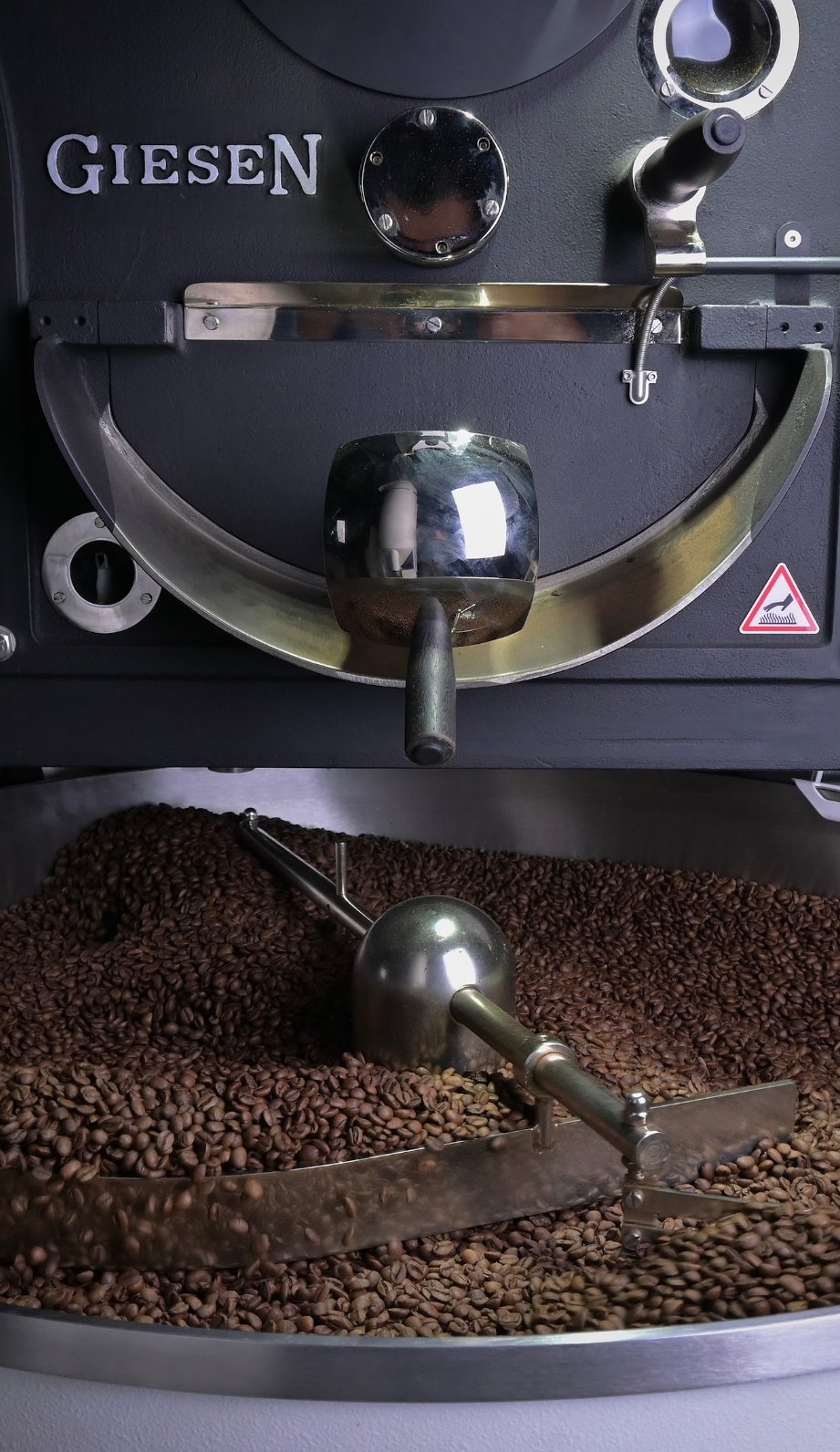
coffee roasting
The quality of specialty coffee is not limited to the coffee beans alone ; processing and roasting play an equally important role in achieving a complete and distinctive coffee experience.
There are precise standards at every stage that contribute to making a cup of coffee delicious and well-balanced; the final experience depends on the integration of all elements of the specialty coffee chain without neglecting any part. After the coffee beans are processed, the roaster takes the time to understand the characteristics of each crop and develop a specific roast profile that highlights its unique flavors and achieves the best possible balance.
With the development of technology, modern roasting facilities have become able to connect roasting equipment to a computer , enabling accurate temperature monitoring, recording of observations, and tracking of changes that occur during the roasting process, to ensure consistent quality and achieve the best results in every batch.
The specialty coffee sector has begun to attract attention around the world; in the United States, daily consumption of specialty coffee rose from 9% to 34% in one decade , and the sector is expected to grow by 13% annually in the United Kingdom .
In the Gulf region in general, and in Saudi Arabia in particular, there is a noticeable growth in demand for specialty coffee, driven by the spread of small coffee roasters and increased awareness of coffee-making culture and quality.
As is evident, specialty coffee differs greatly from commercial coffee in all aspects; whether in terms of the quality of the beans, the method of cultivation, processing, roasting, preparation, and monitoring of growth , in addition to the careful selection of coffee beans and reliance on suitable agricultural climates.
Therefore, if you are a coffee lover and are looking for a complete experience in terms of quality and taste, specialty coffee is the perfect choice .